Christmas Cardinal Arabesque Tile SVG Review
As a designer who spends more time than I care to admit tweaking stitch paths and arguing with hooping frames, I approach every new embroidery file with a mix of optimism and skepticism. The market is flooded with generic holiday clipart, so finding a design that actually translates well from screen to fabric is rare. I recently evaluated the Christmas Cardinal Arabesque Tile SVG, and while it arrives as a digital asset, my job is to determine if it survives the needle. This review breaks down how this machine embroidery design performs in real-world applications, specifically for craft business owners and serious hobbyists looking to elevate their holiday inventory.
First Impressions: Mood and Visual Personality
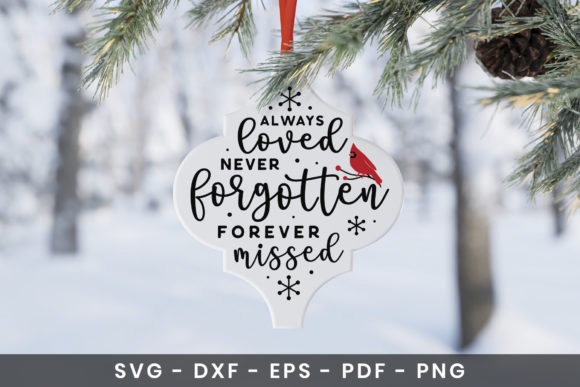
The moment you ungroup the layers of this digital embroidery file, the intent is clear. This isn’t just a bird on a branch; it’s an architectural composition. The arabesque framing provides a sense of structure that is often missing in free-form holiday designs. It feels regal yet cozy, striking that difficult balance between "boutique luxury" and "handmade warmth." For an Etsy seller or anyone running a craft business, visual personality is everything. Customers scroll past thousands of red and green images daily. A design that incorporates geometric elegance alongside organic elements like a cardinal stands out because it suggests higher production value.
The theme leans heavily into traditional Christmas aesthetics, but the tile format offers versatility. It doesn’t scream "holiday sale"; it whispers "curated collection." This subtlety is crucial for brands trying to maintain a consistent aesthetic year-round rather than appearing seasonal only in December. The creative quote theme mentioned in the product description adds a narrative layer, making the finished piece feel like a statement rather than just decoration.
Real-World Application: Where Does This Design Belong?
I put this design through its paces by imagining it on various substrates. The first scenario that came to mind was a custom embroidered tote bag. The symmetry of the tile works beautifully on the flat canvas of a tote, creating a focal point that draws the eye without overwhelming the garment. However, the true potential here lies in home decor and accessories.
Consider a set of kitchen towels or tea towels. The rectangular nature of many arabesque tiles fits perfectly within standard hoop sizes when centered. When stitched onto linen or heavy cotton, the contrast between the thread and the fabric texture can make the details pop. Similarly, for pillow covers, this design offers a sophisticated alternative to typical snowflake patterns. It appeals to buyers looking for "grandmillennial" or traditional farmhouse styles, which are currently trending in the small shop product space.
I also visualized this on a sweatshirt or a heavy hoodie. Placing a large, detailed tile on the back of a sweatshirt creates a premium look. It transforms a basic garment into a custom apparel item that feels exclusive. For baby clothes, however, caution is advised. While the motif is charming, the intricate lines might get lost if the scale is too small on infant bodysuits. It is better suited for larger items like blankets or nursery wall art where the detail can breathe.
Technical Performance and Stitch Clarity
When evaluating any embroidery project, clarity is king. The arabesque borders likely rely on a combination of satin stitch for definition and fill stitch for background density. In my experience, complex geometric patterns can suffer from "thread breakage" or puckering if the stitch density is too high. Before committing to a full run, I always recommend testing the design on scrap fabric to ensure the machine handles the transitions smoothly.
The cardinal itself serves as the anchor. If the design includes fine feather details, those areas will require a lighter touch. Dense stitching on thin fabrics can cause distortion, so choosing the right stabilizer is non-negotiable. For woven fabrics like cotton or linen, a cut-away stabilizer ensures the shape remains crisp over time. For knits, such as t-shirts or caps, a tear-away or wash-away stabilizer might be preferable to prevent stiffness, though the structural integrity of the tile pattern may demand a bit more support.
One critical check is the hoop size. Ensure the design dimensions fit comfortably within your machine’s maximum hoop area, leaving room for proper tension adjustment. If the design is intended to be part of a larger repeating pattern, verify that the edges align seamlessly. A broken tile edge is immediately noticeable and can ruin the professionalism of a finished product.
Strategic Pitfalls: Where to Use Caution
Not every surface is created equal. While this graphics element is versatile, there are specific scenarios where it might struggle. Avoid using this design on highly textured fabrics like chunky wool or boucle unless you are prepared for significant digitizing adjustments. The needle may skip stitches or fail to penetrate the dense weave, leading to a messy result.
Similarly, stretchy fabrics pose a risk. Without adequate stabilization, the tension required for the satin stitches can distort the knit, causing the design to wave or buckle after washing. Dark fabrics are another consideration. If the design relies on white or light-colored threads for highlights, ensure you have enough contrast. On black fabric, light threads can sometimes disappear, requiring underlay stitches to boost opacity.
Curved surfaces, such as baseball caps or fitted hats, present their own challenges. The tile’s rigid geometry may not follow the curve of a cap front naturally. It might look distorted or stretched. For curved applications, a smaller, simplified version of the design would likely yield better results. Also, be mindful of tiny lettering if included. Small text in embroidery is notoriously difficult to read, especially on garments that undergo frequent washing. If legibility is a priority, consider scaling up the text or simplifying the font.
Business Value and Customer Perception
For the commercial embroiderer, this design offers strong value. It supports a wide range of personalized gift ideas, from monogrammed holiday cards to branded corporate gifts. The professional look of the arabesque frame elevates the perceived worth of the item, allowing for higher price points. Customers associate clean, precise stitching with quality, which builds trust and encourages repeat purchases.
In terms of marketing, this design is highly photogenic. It lends itself well to printable mockups and social media content. The balanced composition looks great in square formats for Instagram or Pinterest, helping to drive traffic to your online store. Whether you are selling physical goods or licensing the design assets for digital use, the versatility of this piece makes it a smart addition to your library.
Final Designer Notes
- Test First: Always run a test stitch on your actual production fabric to check for color contrast and tension issues.
- Check Licensing: Confirm whether the license allows for commercial use of the finished product before listing items for sale.
- Thread Selection: Experiment with metallic or variegated threads to add depth, but ensure they do not obscure the intricate details.
- Versatility: Consider breaking the design into separate elements (cardinal vs. frame) to create multiple products from one purchase.
The Christmas Cardinal Arabesque Tile SVG is a thoughtful, well-composed design that respects both the artist’s vision and the embroiderer’s technical constraints. It is ideal for those seeking to add a touch of elegance to their holiday offerings. With careful execution and appropriate material choices, this embroidery project has the potential to become a standout item in any handmade collection.