Happy St Patrick s Day - SVG Cut File Review
As a designer who spends more time than I care to admit staring at stitch density charts and testing thread tension, I approach every new machine embroidery design with a mix of optimism and skepticism. The market is flooded with holiday assets, but few survive the transition from a clean digital preview to a tangible, stitched reality. Today, I am putting the Happy St Patrick s Day - SVG Cut File through its paces. This isn’t just about whether it looks cute in a thumbnail; it is about whether it holds up as a viable asset for serious embroidery projects, custom apparel, and small business merchandise.
First Impressions: Mood and Visual Personality
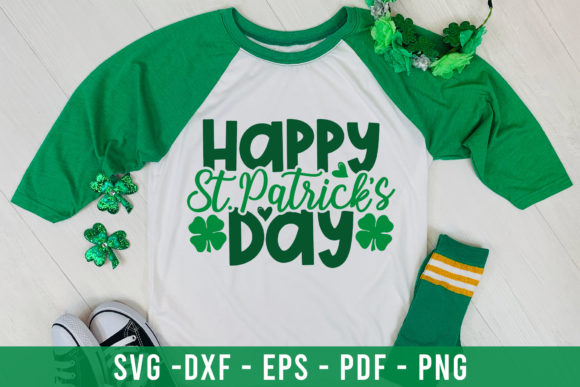
The moment you open the file, the creative theme is immediately apparent. It carries that specific, lighthearted energy associated with St. Patrick’s Day—festive, approachable, and undeniably celebratory. The design features a beautiful quote that serves as the anchor of the piece. From a layout perspective, the balance between the text and any accompanying graphical elements feels intentional. It doesn’t scream for attention; rather, it invites the viewer in.
For those of us in the crafts and graphics sectors, visual hierarchy is everything. This design manages to keep the message legible while maintaining a decorative flair. It creates a mood that is perfect for springtime celebrations, making it an ideal candidate for seasonal collections. Whether you are an Etsy seller looking to refresh your shop or a hobbyist preparing a personalized gift, the aesthetic hits the right note without feeling overly cliché or cluttered.
Real-World Application: Where Does It Shine?
I believe in testing designs in context. So, I imagined this embroidery file being applied to several common product categories to see where it would truly excel. Here is how I see it performing in real-life scenarios:
- Custom Apparel: The description notes it is perfect on t-shirts, which makes sense. On a high-quality cotton tee, this design would pop. The quote format works exceptionally well for casual wear, offering a conversation starter at a pub crawl or a family gathering.
- Tote Bag Design: Canvas totes are a staple for small shop products. Placing this design on the front pocket or center panel of a canvas tote creates a practical yet stylish accessory. The durability of canvas pairs well with the likely robust nature of the stitching required for a quote-based design.
- Baby Embroidery: There is something charming about holiday-themed items for infants. A onesie or a burp cloth featuring this design could make for a memorable personalized gift for a baby shower or a first St. Patrick’s Day celebration.
- Kitchen Textiles: Tea towels and aprons are often overlooked in the commercial embroidery space, but they have high perceived value. A kitchen towel with this festive quote adds a touch of personality to holiday cooking preparations.
- Holiday Embroidery Gifts: Beyond clothing, think about pillow covers or blanket edges. For creative entrepreneurs, these items offer a way to bundle products, increasing the average order value during the March season.
Technical Considerations and Stitch Behavior
While the visual appeal is strong, we must talk about the mechanics. As an experienced reviewer, I cannot ignore the technical realities of digitizing and stitching. Since the product description mentions two versions including a black color option, this suggests versatility in application, but it also raises questions about contrast and detail.
When working with a quote-heavy design, the integrity of the lettering is paramount. You need to ensure that the satin stitch quality is sufficient to prevent thread breaks, especially if the letters are thin or have sharp angles. If the design relies heavily on fill stitch for background elements, you must consider the stitch density. Too dense, and the fabric may pucker; too sparse, and the stabilizer might show through.
I strongly advise checking the hoop size requirements before committing to a large production run. If the design is meant to be placed on curved surfaces like caps or hats, the flat layout of the SVG might not translate perfectly to the curve of the brim or crown. In such cases, testing on scrap fabric is non-negotiable.
Where Caution Is Required
Not every surface is created equal. While this design is versatile, there are specific situations where you should exercise caution:
- Small Hoop Sizes: If you are attempting to stitch this into a very small area, details may become muddy. Ensure the minimum dimensions allow for clear definition of the quote.
- Textured Fabrics: Materials like bouclé or heavy chenille can obscure fine lines. This design likely requires a relatively smooth surface to maintain its crisp appearance.
- Stretchy Fabrics: Knits can distort under the pressure of embroidery. Always use a proper stabilizer and consider a cut-away stabilizer for stretchy garments to prevent warping after washing.
- Dense Stitch Areas: If the design includes intricate decorative accents, check for potential thread trimming issues. Complex intersections can sometimes cause the needle to hit existing stitches, leading to breakage.
Strategic Value for Sellers and Makers
For the digital product sellers and handmade shop owners out there, the value of this asset extends beyond the physical stitch. It is about brand consistency and customer trust. A well-executed embroidery project signals professionalism. When a customer receives a sweatshirt embroidery item that looks clean, centered, and vibrant, their perception of your entire brand elevates.
This design supports that professionalism. Its clean lines and clear messaging reduce the cognitive load for the buyer—they immediately understand the sentiment. This clarity drives engagement. Furthermore, having a design that works for both personal use and commercial embroidery projects gives you flexibility. You can create a printable mockup for your online store, showing customers exactly how the thread colors will look against different backgrounds, thereby reducing returns due to mismatched expectations.
Practical Designer Notes Before You Start
Before you load this embroidery project into your machine, here is my checklist for success:
- Test on Scrap Fabric: Never go straight to the final product. Run a test stitch to check for tension issues and color accuracy.
- Review Stitch Density: Zoom in on the vector file. Are the lines too close together? Will they merge when stitched? Adjustments might be needed in your digitizing software.
- Confirm Licensing: If you plan to sell finished items, double-check the license terms. Some digital embroidery files restrict commercial use or require a specific number of units. Protect your business by verifying these details.
- Inspect Small Details: Look closely at the corners of letters and any decorative elements. These are the first places to fail if the stitch count is too low.
- Compare Backgrounds: Test the design on both light and dark fabric backgrounds. The black version mentioned in the description might offer a sleek, tonal look on dark fabrics, while the standard version might pop on lighter hues.
- Use Proper Stabilizer: The right stabilizer can mean the difference between a puckered mess and a polished finished product. Match the stabilizer weight to your fabric weight.
Final Verdict
The Happy St Patrick s Day - SVG Cut File is a solid addition to any designer’s toolkit. It balances aesthetic charm with practical usability, making it suitable for a wide range of applications from custom apparel to embroidered patches. While no design is flawless without proper execution, this one provides a strong foundation for creating high-quality, marketable goods.
If you are looking to add a touch of festive cheer to your spring collection, this design delivers. It respects the craft, communicates clearly, and offers enough versatility to satisfy both the discerning maker and the casual crafter. Just remember: the magic happens in the preparation. Take your time with the setup, choose your threads wisely, and let the quality of your work speak for itself.