Keep Calm and Contour on Quote Review
As a designer who spends more time staring at stitch lines than sleeping, I approach every new machine embroidery design with a healthy dose of skepticism. The market is flooded with generic text-based graphics that look charming in a digital preview but fall apart under the needle. That is exactly why I decided to put Keep Calm and Contour on Quote through its paces. This isn’t just another decorative graphic; it is a graphics asset rooted in the Crafts category that demands a specific kind of attention when translated into thread.
I am evaluating this design not for its aesthetic appeal alone, but for its viability in real-world production. Whether you are an Etsy seller, a boutique owner, or a crafter looking to elevate your handmade products, understanding how a design behaves during digitization is crucial. Below is my honest assessment of how Keep Calm and Contour on Quote performs when moving from screen to fabric.
First Impressions: Mood and Visual Personality
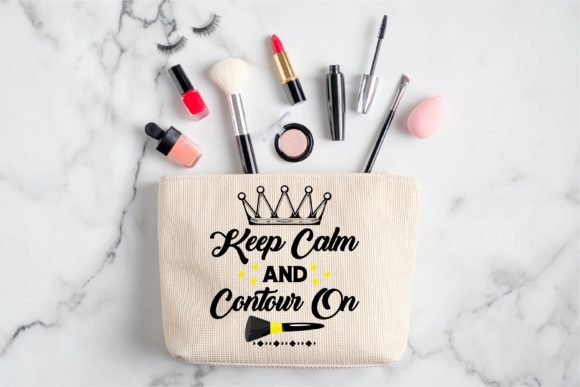
The moment you load the file, the layout speaks volumes. The phrase "Keep Calm and Contour on Quote" suggests a blend of vintage British poster aesthetics with modern typography. In the world of custom apparel, this immediately signals professionalism mixed with approachability. It feels like something you would see on a high-end stationery brand or a sophisticated home goods line.
Visually, the design relies heavily on clean lines and balanced negative space. For an embroidery artist, this is a double-edged sword. The clean lines promise a crisp finish, but they also leave no room for error. If the stitch density is off, the text will wobble. If the alignment is slightly askew, the entire composition looks amateurish. However, if executed correctly, this design creates a mood of organized creativity. It fits perfectly into niches like office decor, planner accessories, or minimalist fashion.
Real-World Application: Where Does It Shine?
To truly test this embroidery file, I imagined it being applied to several common product categories. Here is where Keep Calm and Contour on Quote naturally excels:
- Tote Bag Design: A canvas tote is the perfect canvas for this type of typographic art. The sturdy fabric provides a stable base, allowing the satin stitch outlines to remain sharp without distorting. It transforms a basic bag into a statement piece suitable for a craft business.
- Sweatshirt Embroidery: On a crewneck sweatshirt, this design adds a touch of intellectual flair. It works well as a chest logo or centered back print. The contrast between the soft fleece and the structured embroidery elevates the perceived value of the garment.
- Kitchen Towels and Aprons: For the home decor niche, this quote resonates with people who take pride in their workspace. Placing it on a linen tea towel or a denim apron makes for a thoughtful personalized gift. It feels functional yet stylish.
- Embroidered Patch: Converting this into a detachable patch allows for versatility. You can attach it to backpacks, hats, or jackets. The defined borders of the design make it ideal for creating a distinct embroidered patch that stands out against various textures.
In each of these scenarios, the design acts as a focal point. It doesn't compete with other elements; it commands attention. This is vital for small shop product owners who need items that photograph well and communicate a clear brand identity instantly.
Technical Performance and Stitch Clarity
When reviewing any digital embroidery file, I always check the stitch types. Keep Calm and Contour on Quote appears to utilize a mix of running stitch for fine details and fill stitch for broader areas. This combination is generally efficient, reducing hooping time and thread waste.
However, the success of this design hinges on thread colors. Because the text is likely monochromatic or limited in palette, the contrast against the fabric is paramount. On light fabrics, dark threads provide excellent readability. On dark fabrics, you must ensure the thread choice is vibrant enough to pop without overwhelming the viewer. I recommend testing the design in black and white mockups first to verify that the hierarchy of the text remains clear regardless of color distractions.
The stitch density seems moderate, which is good news for machine longevity and fabric stability. High-density designs can cause puckering, especially on lightweight materials. With this design, you should be able to achieve a smooth surface without excessive layers of backing, provided you use the correct stabilizer. For woven fabrics, a cut-away stabilizer is essential to maintain shape over time. For knits, a tear-away might suffice for temporary projects, but wash-away is safer for delicate items.
Pitfalls and Precautions
No design is flawless, and Keep Calm and Contour on Quote has specific constraints that designers must respect. Here is where you need to be careful:
- Small Hoop Sizes: Do not attempt to downsize this design too much. Tiny lettering becomes illegible when stitched at a reduced scale. The curves and angles may merge, turning clean typography into a muddy blob. Always check the minimum recommended hoop size before committing to a small project.
- Textured Fabrics: Avoid using this design on bouclé, heavy tweed, or highly textured weaves. The needle will struggle to penetrate evenly, and the satin stitch edges will lose their definition. Stick to smooth surfaces like cotton, linen, or polyester blends.
- Stretchy Fabrics: While possible, stretching knit fabrics like jersey can distort the text if not stabilized properly. If you are making baby embroidery items or stretchy caps, use a strong stabilizer and consider adding a light tack-down stitch to prevent shifting.
- Curved Surfaces: Applying this to a cap front or a curved hat panel requires advanced technique. The flat nature of the design may not follow the curve of the hat naturally, leading to gaps or tension issues. Test this on scrap material first.
Commercial Viability and Brand Consistency
For those selling finished goods, Keep Calm and Contour on Quote offers strong commercial potential. It appeals to a broad demographic that values wit and simplicity. It is particularly effective for holiday embroidery gifts, corporate swag, or team branding where a unified message is needed.
The design supports brand consistency because it is versatile enough to fit multiple color schemes. You can swap out thread colors to match seasonal trends—pastels for spring, bold reds for holidays, or neutrals for year-round sales. This flexibility increases the lifespan of the design in your library.
Furthermore, the design enhances customer trust. When a customer sees a cleanly embroidered quote on a product, it signals quality craftsmanship. It suggests that the seller cares about details. This is especially important for printable mockup creators who need to showcase realistic representations of their digital assets. A high-quality render of this design can drive significant engagement on platforms like Etsy or Pinterest.
Practical Designer Notes
Before you start stitching, keep these tips in mind:
- Test on Scrap Fabric: Never run a new design directly onto your final product. Use a scrap piece of the same fabric and stabilizer combination to check for tension and alignment.
- Inspect Small Details: Zoom in on the digital file. Are there any tiny islands of fill stitch that might break? Are the corners sharp enough? Adjust the digitization if necessary.
- Confirm Licensing: Ensure you have the right to sell finished items made from this design. Some design assets are for personal use only. Verify the terms before listing your products.
- Check Machine Compatibility: While most modern machines handle standard formats, always convert the file to your machine’s native format to avoid errors.
In conclusion, Keep Calm and Contour on Quote is a solid addition to any embroidery project library. It balances aesthetic charm with practical usability, making it suitable for everything from quick hobbyist gifts to professional commercial embroidery orders. By respecting its technical limitations and leveraging its visual strengths, you can create finished products that are both beautiful and profitable.