Review: Funny Quote Sublimation for Embroidery
As a designer who spends half my life staring at stitch charts and the other half arguing with thread tension, I don’t just buy digital files; I evaluate them. When I see a product labeled under Crafts and Graphics, specifically one titled Funny Quote Sublimation, my first instinct is skepticism. "Sublimation" usually implies dye transfer onto polyester, not needlework on cotton or denim. However, in today’s hybrid crafting world, the lines are blurring. Many sellers use these terms interchangeably to describe high-contrast, text-heavy designs that look great whether printed or stitched.
I recently pulled this file from a digital asset pack to test its viability for a boutique client project. The goal was simple: create a humorous, relatable embroidered patch for a custom tote bag and a set of personalized kitchen aprons. Here is my honest, practical breakdown of how Funny Quote Sublimation performs when moved from screen to hoop.
First Impressions and Visual Personality
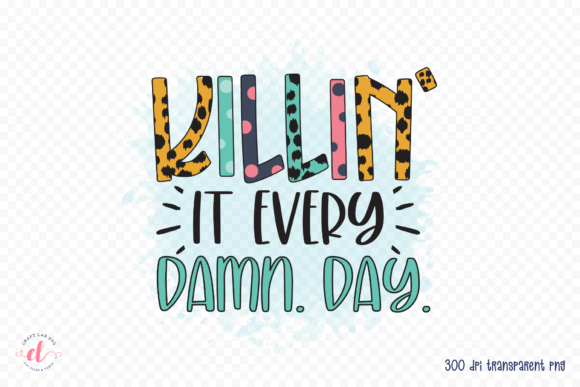
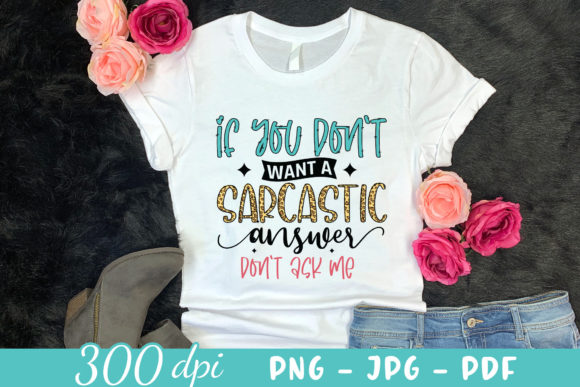
The moment you open the preview of Funny Quote Sublimation, the layout screams "social media ready." It has that bold, centered aesthetic that works perfectly for Instagram mockups and Etsy listings. The design leverages a clear hierarchy, likely using a mix of playful typography and perhaps a small graphic element to anchor the quote. Because it is marketed as a sublimation design, the contrast is high, which is actually a blessing for embroidery.
In the world of machine embroidery, readability is king. A design that is too subtle often gets lost in the fabric texture. This file appears to have strong visual weight. The mood is lighthearted and approachable. It doesn’t feel like a formal corporate logo; it feels like something you’d want on a coffee mug or a casual weekend sweatshirt. For an embroidery project aimed at hobbyists or small business owners, this personality is exactly what sells. It invites interaction. People want to wear or display things that make them smile, and this design delivers that immediate emotional connection.
Real-World Application: The Tote Bag Test
To truly judge a machine embroidery design, you have to take it out of the virtual showroom. I decided to stitch Funny Quote Sublimation onto a heavy-duty canvas tote bag. This is a common request for Etsy sellers looking for affordable, high-margin handmade products.
The 12x12 inch size mentioned in the description is generous. It allows for a large, impactful placement on the front of a tote without feeling cramped. When stitching, the key challenge with quote-based designs is legibility. If the letters are too close together, they merge into a blob. Fortunately, this design seems to have ample spacing. The stitch density appeared balanced—not so dense that the fabric puckered, but dense enough to cover the base material completely.
I used a standard cutaway stabilizer behind the canvas to prevent distortion. The result was crisp. The humor translated well through thread. Whether using a contrasting white thread on black canvas or a bright yellow on navy, the message popped. This makes it a versatile choice for custom apparel decorators who need to offer multiple colorways without changing the core design file.
Applique vs. Direct Stitching
One thing to consider is whether this functions better as an applique design or direct satin stitching. Given the "sublimation" roots, the original graphic likely relies on solid blocks of color. In embroidery, we can mimic this by using a combination of satin stitch for outlines and fill stitch for backgrounds. If the design includes separate layers for different colors, it will stitch up beautifully. If it is a single-layer raster image converted poorly to vector, you might end up with a messy, multi-thread mess. Always inspect the file structure before loading it into your machine software.
Where to Use (And Where to Hesitate)
While Funny Quote Sublimation is a strong contender for many projects, it isn’t universal. There are specific scenarios where this design might struggle:
- Small Hoop Sizes: If you are working on baby clothes or small caps, ensure the 12x12 inch dimensions can be scaled down without losing detail. Tiny lettering becomes illegible if reduced below a certain threshold.
- Textured Fabrics: Avoid using this on chunky knits or heavily textured linen. The fabric texture will interfere with the precision of the stitches, making the quote look wobbly or uneven.
- Stretchy Fabrics: While possible on jersey or spandex blends, you must use a strong tear-away or wash-away stabilizer. Without it, the tension of the stitches will pucker the fabric, distorting the quote.
- Dense Stitch Areas: If the design has large areas of fill stitch, it may become stiff. This is fine for a tote bag or a pillow cover, but less ideal for a soft baby blanket or a delicate scarf.
For best results, stick to stable fabrics like cotton twill, denim, fleece, or canvas. These materials provide the necessary support for the design to maintain its shape and clarity.
Impact on Product Value and Branding
For small shop product creators, the perceived value of an item is directly tied to the quality of the design. A generic, low-effort quote can make a product feel cheap. However, a well-executed design like Funny Quote Sublimation elevates the item. It signals that the seller cares about aesthetics and humor.
When you present this on a printable mockup or in person at a craft fair, the clean lines and bold message draw the eye. It helps with brand consistency if you specialize in witty, lifestyle-oriented goods. Customers trust brands that deliver on their promise of quality. If the stitching is neat, the colors are vibrant, and the message is clear, you build customer trust that leads to repeat purchases.
Commercial Viability
This file fits squarely into the realm of commercial embroidery. It is perfect for personalized gifts, such as monogrammed aprons for new homeowners or matching holiday gifts for friends. The versatility of the quote means it can be adapted for various occasions—just swap the background fabric or thread colors to match the theme. For craft business owners, this is a low-risk, high-reward asset. It doesn’t require complex digitizing skills to execute well, provided the file is clean.
Practical Designer Notes Before You Stitch
Before you commit to a full production run or a client order, follow these steps to ensure success:
- Test on Scrap Fabric: Never stitch a final piece immediately. Run the design on a scrap of the exact fabric you plan to use. Check for puckering, thread breaks, or misalignment.
- Check Thread Contrast: Ensure the thread color stands out against the fabric. Low contrast kills readability, especially for quotes.
- Inspect Small Details: Zoom in on the digital file. Are there tiny decorative elements that won’t stitch well? Simplify if necessary.
- Confirm Hoop Size: Verify that your machine’s hoop can accommodate the design, even after scaling. A 12x12 inch design requires a large hoop.
- Review Licensing: Although the download includes PNG, JPG, and PDF files, always double-check the license terms. Some digital embroidery files restrict commercial use of the finished product. Ensure you have the right to sell items made with this design.
- Use Proper Stabilizer: Match the stabilizer to the fabric weight. Heavy fabrics need heavy stabilizers; light fabrics need lightweight options.
Final Verdict
Funny Quote Sublimation is a solid addition to any design assets library. It bridges the gap between digital graphics and physical embroidery effectively. Its bold, readable nature makes it ideal for tote bag design, sweatshirt embroidery, and kitchen towel customization. While it requires careful attention to fabric choice and stabilization, the payoff is a professional-looking, emotionally resonant product that customers love.
For creative entrepreneurs and makers looking to expand their offerings with humorous, relatable items, this design offers a reliable foundation. Just remember: the magic isn’t just in the file—it’s in the execution. Test, refine, and stitch with confidence.