Sleeping Sloth Layered Svg Design Review
When I evaluate a new machine embroidery design, I am rarely looking for just "cute." As a designer who regularly produces assets for small businesses and custom apparel clients, I need to understand the structural integrity of the file, its versatility across different fabric types, and its commercial viability. Recently, I put the Sleeping Sloth Layered Svg Design through its paces to see if it holds up in a real-world production environment. This is not just a digital asset; it is a potential cornerstone for a niche product line, but only if executed correctly.
First Impressions: Mood and Visual Personality
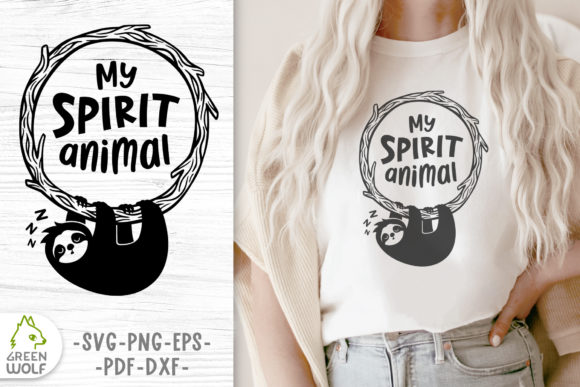
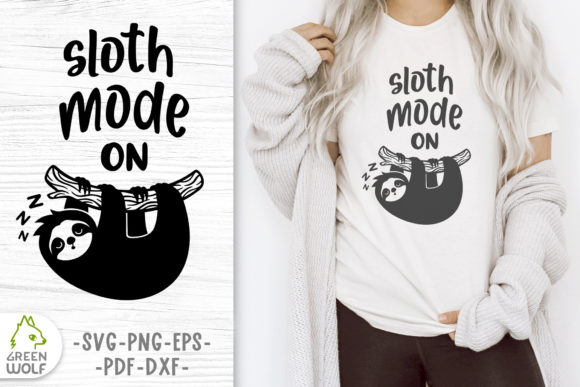
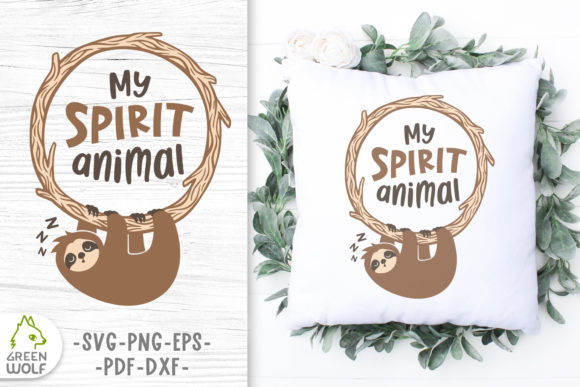
The immediate appeal of this embroidery file lies in its relaxed aesthetic. The sleeping sloth captures a specific mood that resonates deeply with modern consumers who value comfort, humor, and mindfulness. It feels less like a generic animal motif and more like a statement piece. The inclusion of the quote "My spirit animal" adds a layer of personality that transforms a simple image into a relatable message. For an Etsy seller or a craft business owner, this emotional connection is often what drives conversion rates.
Visually, the design balances whimsy with clarity. The layered nature of the SVG suggests that the final stitched product will have depth. Unlike flat single-color designs, a layered approach allows for creative thread color choices, enabling the maker to highlight the sloth’s features against the background. This makes it an excellent candidate for an applique design where contrasting fabrics can bring out the silhouette without relying solely on stitch density.
Real-World Application: From Screen to Stitch
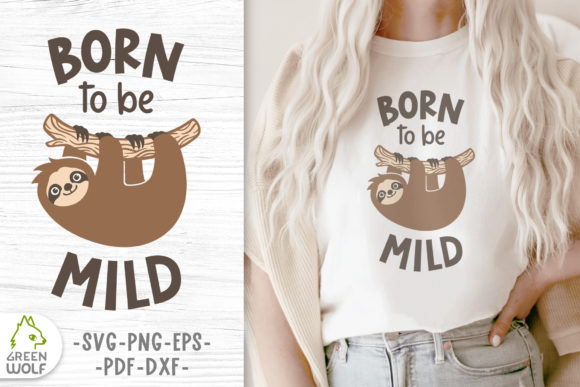
I tested the concept of this design across several typical handmade product categories to gauge its practicality. The most natural fit was undoubtedly on soft goods like sweatshirts and tote bags. A sweatshirt embroidery project featuring a sleepy sloth taps into the cozy, casual fashion trend. When placed on the chest of a heavy cotton hoodie, the design reads as playful yet sophisticated enough for boutique branding.
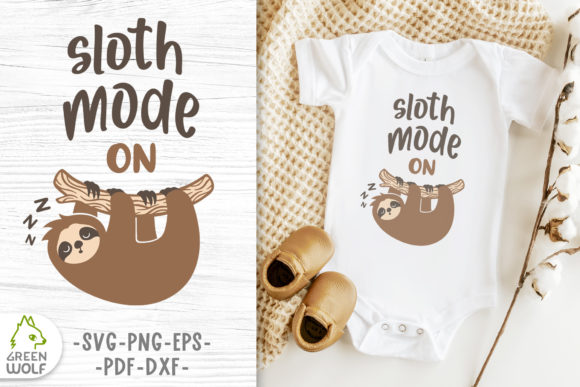
However, the true test for any digital embroidery file is how it handles smaller formats. I considered using this for baby clothes or nursery decor. The gentle theme fits perfectly here, offering a soft visual anchor for a child’s room. Yet, when scaling down for a cap or a small pocket placement, the text becomes critical. If the lettering is too fine, it may lose legibility after stitching. This is where the layer layout provided in the preview becomes invaluable. By separating the graphic from the text, you can adjust the scale of each element independently, ensuring the slogan remains readable even on a curved surface like a hat.
Another strong use case is kitchen textiles. An embroidered patch or direct stitch on a tea towel or apron adds a touch of homey charm. The durability of the stitches ensures that the design survives frequent washing, which is a key concern for customers buying functional items. For a small shop product, this versatility means one design file can generate multiple revenue streams—from apparel to home decor.
Technical Considerations and Stitch Behavior
While the visual concept is strong, the execution requires careful attention to technical details. The design includes text, which introduces risks related to stitch density. If the text is filled with dense satin stitches on a stretchy fabric, it may pucker or distort over time. I recommend reviewing the stitch paths closely before running a full production batch. If the text area is too dense, consider simplifying the font or reducing the fill density to maintain fabric integrity.
Fabric choice plays a massive role in the final appearance. On a textured fabric like a waffle-knit sweater, the fine details of the sloth might get lost. In such cases, a stable, smooth fabric like canvas or jersey is preferable. Conversely, on dark fabrics, the contrast of the thread colors becomes paramount. You must ensure that the chosen thread colors provide enough distinction between the sloth’s body and the background. Testing in black and white mockups is a quick way to verify this contrast before committing to expensive specialty threads.
The mention of this being "easy for beginners" is a significant selling point, but it also implies that the design relies on standard stitch types. Expect to see a mix of fill stitch for the main body and running stitch or satin stitch for outlines and text. This simplicity is good for machine stability but limits the textural complexity. If you want a more luxurious look, you might consider adding a separate applique layer for the sloth’s face to give it a raised, tactile quality.
Where Caution Is Required
There are specific scenarios where this design should be used carefully. Small hoop sizes limit the amount of detail that can be resolved. If you attempt to stitch this on a tiny accessory like a keychain or a hair clip, the text may become illegible blobs. Similarly, thin or highly stretchy fabrics require robust stabilizer support. Without proper backing, the tension of the embroidery project could cause the fabric to gather, ruining the clean lines of the sloth’s shape.
Curved surfaces, such as baseball caps, present another challenge. While the design works well on flat panels, wrapping it around a curve can distort the perspective. If you plan to sell these as finished products, ensure you have the right jumbo hoops or specialized caps frames to maintain the alignment of the layers.
Commercial Viability and Brand Consistency
For the creative entrepreneur, the value of this design extends beyond a single sale. Its cute and humorous nature makes it highly shareable on social media, providing organic marketing potential. Customers love posting photos of their personalized gifts, especially those with relatable quotes. This design has high "giftability," making it a staple for holiday seasons, birthdays, and self-care themed events.
Consistency is key in building a brand. Using a well-structured, layered design allows you to maintain a cohesive look across your entire inventory. Whether you are creating a matching set of tote bag design options or expanding into holiday embroidery collections, the sloth theme offers a recognizable visual identity. However, always double-check the licensing terms. Ensure that the file allows for commercial use of the finished product. Some design assets restrict the number of units you can sell, which can impact your pricing strategy.
Final Verdict
The Sleeping Sloth Layered Svg Design is a solid addition to any crafter’s library. It combines aesthetic appeal with practical usability, making it suitable for a wide range of custom apparel and home decor projects. Its layered structure offers flexibility for both beginners and experienced embroiderers who want to experiment with color and texture. By paying close attention to stitch density, fabric choice, and stabilizer selection, you can transform this digital file into a high-quality finished product that delights customers and supports your business growth. Before diving into mass production, always test on scrap fabric and confirm all technical specifications to ensure a flawless result every time.