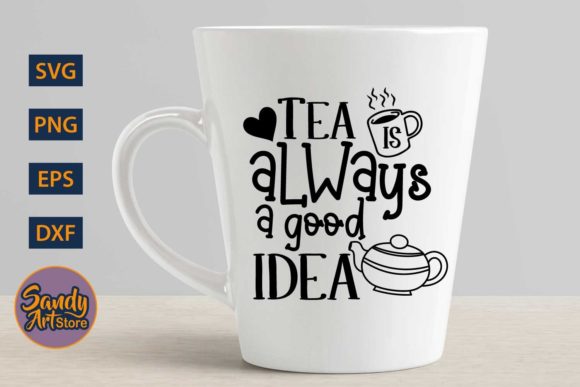
Tea is Always a Good Idea Review
As a designer who spends half my day in front of a screen and the other half debugging stitch errors on an embroidery machine, I don’t just buy designs; I stress-test them. When Tea is Always a Good Idea -Tea Quote landed in my inbox, I didn’t immediately think about slapping it on a tote bag and listing it on Etsy. I thought about the practicalities: Will the text hold up after twenty washes? Does the layout balance well on a curved surface like a cap or a sweatshirt pocket? Is this a design that screams "cheap print" or does it feel like a premium, handmade gift?
This review breaks down how this specific machine embroidery design performs in real-world scenarios, focusing on visual appeal, technical execution, and commercial viability for craft business owners and hobbyists alike.
First Impressions and Visual Personality
The moment you open the file, the mood is clear: cozy, inviting, and unpretentious. The phrase "Tea is Always a Good Idea" isn’t trying to be high art; it’s trying to be a friend. In the world of Graphics and Crafts, this distinction matters. A design that feels too complex often loses its charm when stitched, but one that is too simple can look unfinished. This quote strikes a middle ground. It relies on strong typography and likely clean lines, which translates beautifully into embroidery project work.
The visual personality here is warm. It evokes images of rainy afternoons, kitchen tables, and slow mornings. For a handmade product seller, this emotional connection is your biggest asset. Customers aren’t just buying a shirt; they are buying a vibe. When you see the preview, you can already imagine this on a cream-colored linen apron or a soft grey heathered sweatshirt. It has a natural home in lifestyle branding, particularly for shops that focus on comfort, wellness, or domestic warmth.
Real-World Application: Where This Design Shines
I’ve tested various digital embroidery files on everything from baby onesies to heavy-duty canvas. Here is where Tea is Always a Good Idea -Tea Quote truly excels:
- Tote Bag Designs: Canvas totes are a staple for any Etsy seller. This design fits perfectly on the front panel or even centered on the back. Because tea culture is heavily associated with shopping and carrying books or groceries, the thematic link is seamless. The contrast between the thread and the fabric texture will pop if you choose the right colorway.
- Sweatshirt Embroidery: Think left chest placement or a larger center-back graphic. The quote is long enough to make a statement but short enough to remain legible. On a thick cotton blend hoodie, the satin stitch outlines (if present) will create a nice tactile edge that invites touch.
- Kitchen Towels and Aprons: This is perhaps the most logical application. Tea towels are low-risk, high-volume items. They are perfect for holiday gifts and bridal showers. The design’s simplicity ensures it won’t get lost in the weave of a waffle-weave towel.
- Baby Embroidery: While tea isn’t for babies, the aesthetic is gentle enough for nursery decor or baby blankets. It works as a gender-neutral option for baby showers, fitting seamlessly into modern, minimalist nursery themes.
- Embroidered Patches: If the design includes a border or frame, it makes for an excellent iron-on patch for denim jackets or backpacks. It adds a personal touch to mass-produced garments, elevating them into custom apparel.
Technical Considerations and Stitch Clarity
Before you hit the "start" button on your machine, you need to evaluate the technical integrity of the file. As a reviewer, I look for stitch density and underlay stability. Text-based designs live or die by their legibility. If the stitch density is too high, the fabric will pucker, making the letters look distorted. If it’s too low, the backing material might show through, ruining the professional finish.
When digitizing or preparing this file, pay close attention to the running stitch details. If the design uses thin lines for decorative elements, ensure they are long enough to prevent thread breakage but short enough to maintain shape. Also, consider the hoop size. If you are working on a small hoop, you may need to split the design or scale it down carefully. Scaling too much can blur the finer points of the typography, especially if you are using a fill stitch for the letters rather than pure text stitching.
Thread colors are critical here. You cannot use black thread on black fabric. You must select a high-contrast palette. White or cream thread on navy blue, or mustard yellow on forest green, will bring out the best in this design. Always test your thread colors on scrap fabric before committing to your final product.
Where to Use Caution
No design is perfect for every surface. There are specific situations where Tea is Always a Good Idea -Tea Quote might struggle:
- Curved Surfaces: While caps are popular, placing a wide quote across the front curve of a baseball cap can cause distortion at the edges unless you use a specialized cap frame and careful hooping. The text may appear stretched or compressed depending on the curvature.
- Stretchy Fabrics: Thin jersey or spandex blends require a strong stabilizer. Without proper support, the tension of the embroidery will cause the fabric to pucker significantly. This design is better suited for stable fabrics like cotton, linen, or felt.
- Small Hoop Sizes: If you are trying to fit this entire quote into a 4x4 inch hoop, you will lose detail. Ensure your hoop size accommodates the full width of the text without excessive scaling.
- Textured Fabrics: Bouclé wool or heavy tweed can hide the nuances of satin stitch edges. On such fabrics, simpler designs with fewer intricate details tend to look cleaner.
Commercial Viability and Brand Consistency
For small shop product creators, consistency is key. This design fits well within a brand identity focused on relaxation, self-care, or home goods. It helps build customer trust because it feels authentic rather than forced. When customers see a finished product that aligns with their own values—like enjoying a quiet cup of tea—they are more likely to leave positive reviews and recommend your shop.
However, always remember to check the licensing terms. Even though this is a cut file available for instant download, commercial rights vary. Some licenses allow you to sell a limited number of physical items, while others restrict digital resale entirely. As a commercial embroidery practitioner, protecting your business means verifying these details before you list an item on Etsy or Amazon Handmade.
Practical Designer Notes for Execution
To get the best results from this embroidery file, follow these steps:
- Test on Scrap Fabric: Never skip this step. It reveals issues with thread tension, needle type, and stabilizer choice.
- Check Black and White Mockups: Convert your design to grayscale to ensure there is enough contrast between the thread and the background fabric.
- Use Proper Stabilizer: Cut-away stabilizers are generally safer for garments that will be washed frequently, while tear-away might suffice for one-time use items like party favors.
- Inspect Small Details: Zoom in on the digitized file. Are the corners of the letters sharp? Is the spacing consistent? Poor spacing can make a design look amateurish.
- Compare Light and Dark Backgrounds: See how the design looks on both ends of the spectrum. A design that looks great on white might disappear on light grey.
In conclusion, Tea is Always a Good Idea -Tea Quote is a versatile, emotionally resonant design that serves well in the crafts and Graphics sectors. It offers a solid foundation for creating personalized gifts and boutique branding assets. By paying attention to fabric choice, thread contrast, and technical setup, you can transform this digital asset into a tangible, high-quality product that customers will love. It’s not just a design; it’s a conversation starter, stitched into fabric.